
Quick Read
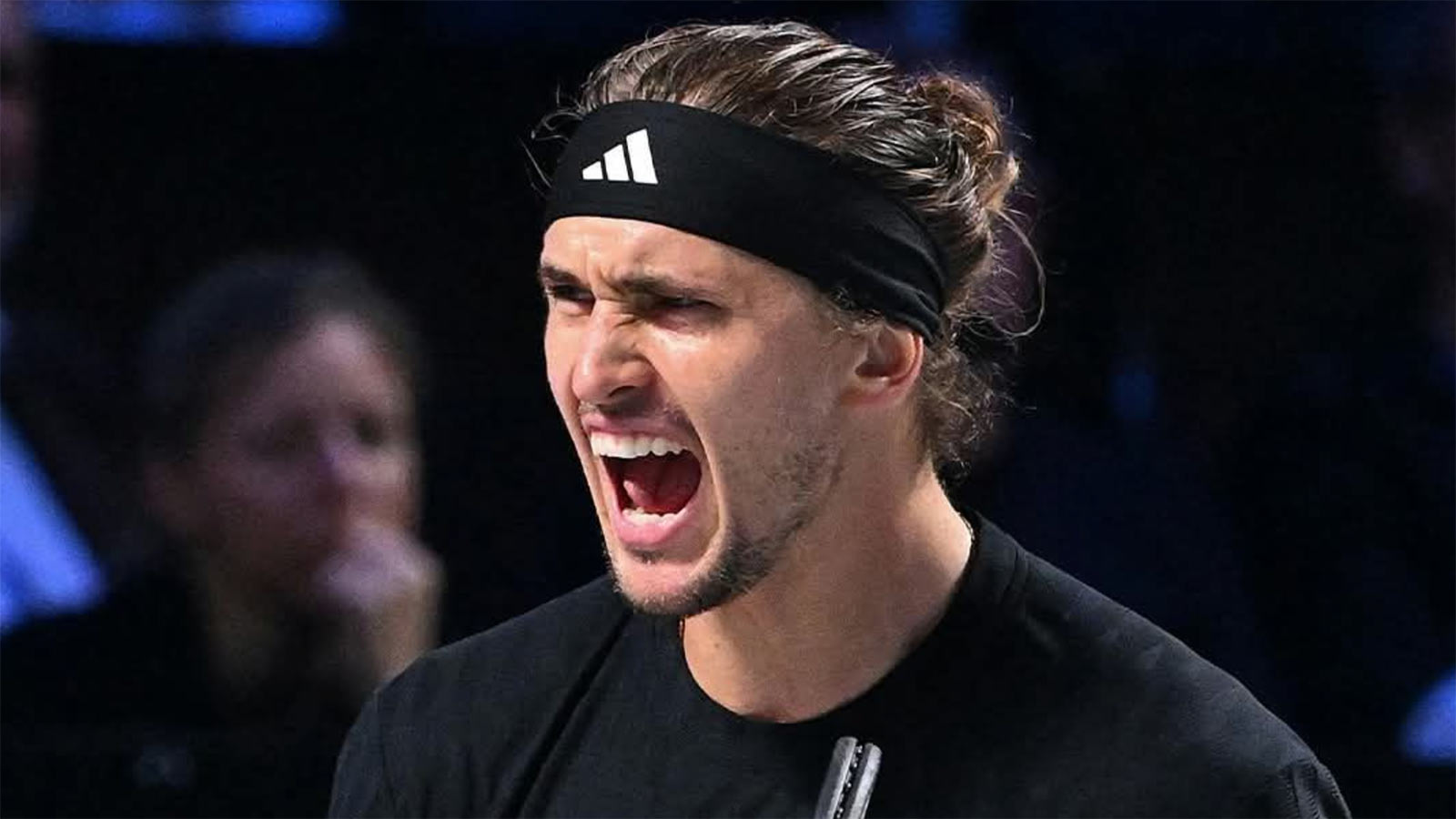
- Felix Auger-Aliassime defeated Alexander Zverev 6-4, 7-6(4) at the 2025 ATP Finals in Turin.
- Zverev struggled with unforced errors and failed to capitalize on key moments.
- Auger-Aliassime reached his first ATP Finals semi-final, setting up a clash with Carlos Alcaraz.
- Zverev will end 2025 with less than half the ranking points of Jannik Sinner, highlighting a new tennis hierarchy.
- Zverev will next compete for Germany at the Davis Cup Finals.
Zverev’s Struggles Exposed in Turin
On a cool Friday night at the Inalpi Arena, Alexander Zverev, the world No. 3 and two-time ATP Finals champion, faced Felix Auger-Aliassime in a straight shootout for a place in the semi-finals. The stakes were high: the winner would earn the right to challenge Carlos Alcaraz, the world No. 1, while the loser would pack his bags for the season.
Zverev arrived late to the court—perhaps a sign of nerves, or maybe just a quirk of routine. Yet, from the outset, it was clear that the German star was not at his best. His serve, usually a fortress, was the only weapon firing consistently. But his trademark backhand—reliable and sharp in previous campaigns—misfired time and again, undermining his efforts in crucial moments.
The match itself was tense, but not spectacular. Both players struggled for rhythm, with unforced errors peppering the contest. Auger-Aliassime, dressed in vivid purple, started strong, using his powerful serve and forehand to keep Zverev on the defensive. Yet, it was the Canadian’s mental resilience that proved decisive. He saved break points in both the fifth and ninth games of the opening set, refusing to yield under pressure. In the tenth game, Zverev’s level dropped just enough for Auger-Aliassime to pounce, clinching the first set with a fierce cross-court forehand on his fourth set point.
Auger-Aliassime Seizes the Moment
If the first set was about holding firm, the second set was a test of nerve. Zverev, visibly frustrated, looked to his team for answers as he struggled to find consistency. At one point, he stood so far back to receive serve that he was nearly in the crowd—a tactical gamble that failed to pay off. Auger-Aliassime, meanwhile, played with determination but squandered several opportunities to break.
Ultimately, the match came down to a tie-break, a fitting microcosm of the evening’s tension. Auger-Aliassime held his nerve, securing victory 6-4, 7-6(4) and booking his first-ever semi-final appearance at the ATP Finals. It was a second consecutive win over Zverev this season, having also beaten him at the US Open in August. As he walked off the court, Auger-Aliassime reflected, “This is a high-value tournament for players. It’s like a grand finale, and when you look at the list of champions, it’s full of world No. 1s. I want to be in the final, but I’ll have to go through a great player.” (ATP Tour)
Changing of the Guard: Sinner, Alcaraz, and the Chase
Zverev’s defeat was not just a personal setback—it highlighted a broader shift in men’s tennis. Jannik Sinner, the defending champion, extended his winning streak to 29 matches on indoor hard courts and finished the round-robin stage unbeaten, while Carlos Alcaraz continued to assert his dominance at the very top. The gulf between the new elite and the chasing pack, Zverev included, was stark. As pointed out by The Guardian, Zverev will finish 2025 with less than half the ranking points of Sinner, underscoring just how far ahead the top two have moved.
This season has seen Sinner and Alcaraz emerge as the clear favorites in every big event, leaving established stars like Zverev to play catch-up. Even as Zverev reached the Australian Open final earlier this year, he has struggled to keep pace with the consistency and firepower of the new generation.
Zverev’s Year: Consistency but Not Enough
For Zverev, 2025 was a year of near-misses and moments of brilliance overshadowed by inconsistency. He remains a formidable force—his serve still among the best on tour and his experience invaluable—but his inability to seize the initiative in big matches has become a recurring theme. Against Sinner earlier in the tournament, he seemed passive, waiting for mistakes rather than taking control. Against Auger-Aliassime, the same pattern played out, with the Canadian attacking relentlessly and Zverev reacting rather than dictating.
Yet, Zverev’s season is not quite over. He will soon join Germany for the Davis Cup Finals in Bologna, where he’ll have another chance to lead his nation. But as the dust settles in Turin, questions linger about his strategy and mindset. Is he content to rely on his serve and hope for errors, or will he evolve to challenge the likes of Sinner and Alcaraz?
Off the court, Zverev continues to inspire many, managing his diabetes and competing at the highest level. But as tennis moves into 2026, the German star must adapt if he hopes to reclaim his place among the sport’s very best.
Alexander Zverev’s defeat in Turin is more than a single loss; it marks a pivotal moment in men’s tennis, where the torch is passing to a new generation led by Sinner and Alcaraz. For Zverev, remaining a contender will require not just resilience, but a willingness to reinvent his approach and meet the rising standard set by the sport’s new elite.